
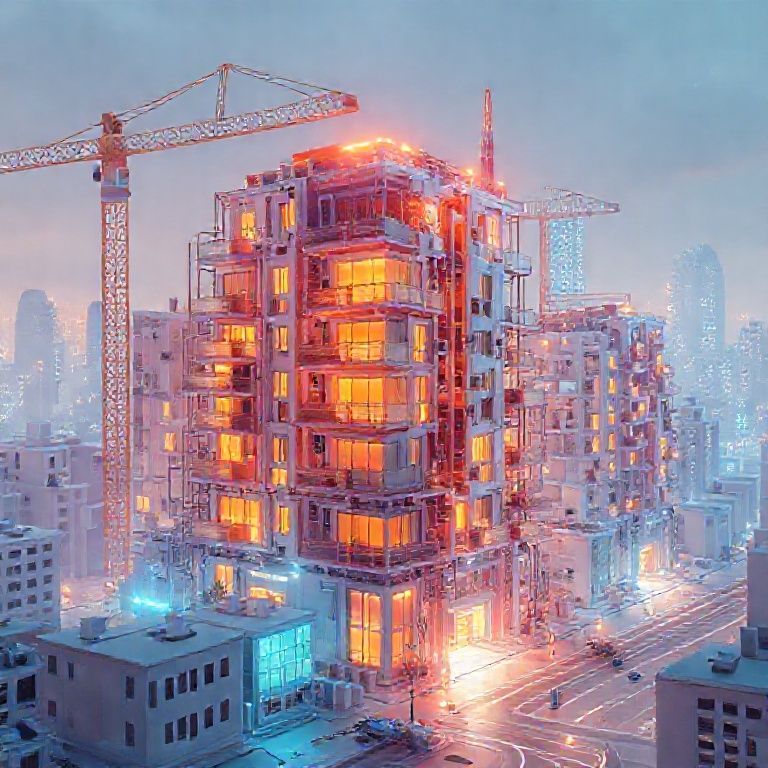
The housing crisis continues to plague cities worldwide, with demand far outpacing supply. Traditional construction methods struggle to keep pace, leading to rising costs and limited availability. However, a promising solution is emerging: leveraging artificial intelligence to revolutionize housing design and construction, potentially unlocking affordable and scalable solutions.
AI can optimize architectural designs for cost-effectiveness and resource efficiency, minimizing material waste and construction time. Furthermore, AI-powered 3D printing technologies, exemplified by projects like the Community First Village in Austin, Texas, enable the rapid creation of homes at a fraction of the conventional cost.
The impact of AI on housing extends beyond mere construction. AI algorithms can analyze demographic data, predict housing needs, and optimize urban planning, ensuring that new developments are strategically located and tailored to meet the specific needs of communities. This data-driven approach can lead to more equitable and sustainable housing solutions.
However, realizing the full potential of AI in housing requires addressing concerns about job displacement in the construction industry. Retraining and upskilling initiatives are crucial to equip workers with the skills needed to operate and maintain AI-powered construction systems, ensuring a smooth transition and maximizing the benefits for all stakeholders.
Ultimately, AI offers a powerful toolkit for tackling the housing crisis. By embracing innovation and addressing potential challenges proactively, we can harness AI’s capabilities to create affordable, sustainable, and accessible housing for all, transforming our cities into more equitable and thriving communities. This requires collaboration between governments, developers, and technology providers.