
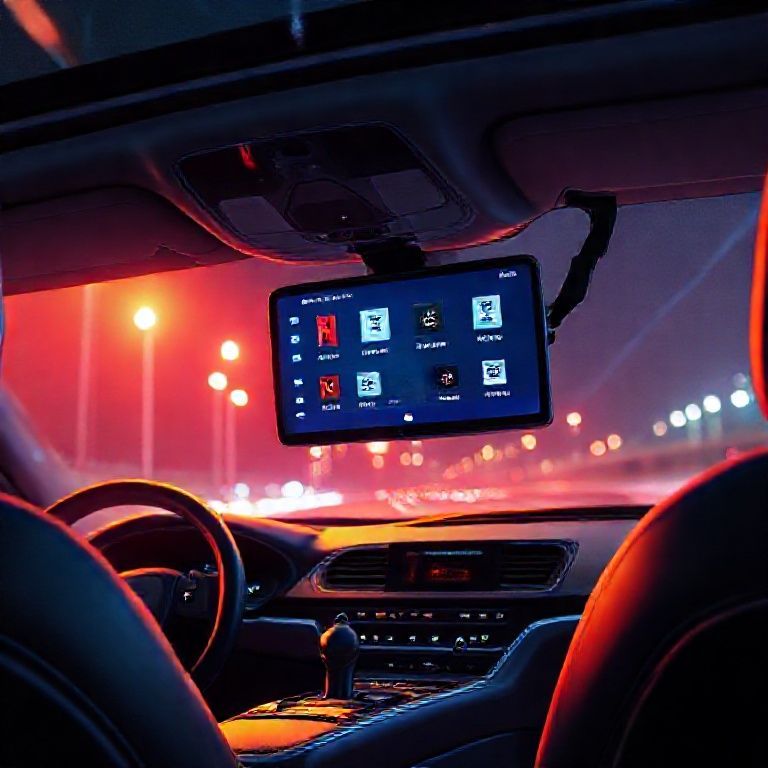
The promise of a fully integrated, video-enabled CarPlay experience has remained largely unfulfilled, despite Apple’s intentions. Automakers have been hesitant to unlock video playback, likely due to safety concerns and legal liabilities. This has left many users with CarPlay systems feeling shortchanged, missing out on the potential for in-car entertainment during charging or downtime.
Enterprising developers have stepped in to bridge this gap, creating aftermarket adapters that enable video streaming on CarPlay displays. These adapters essentially bypass the manufacturer’s restrictions, allowing users to access services like Netflix, YouTube, and other streaming platforms directly through their car’s infotainment system. The setup typically involves connecting the adapter to the CarPlay USB port.
The emergence of these adapters raises questions about safety and legality. While passengers could enjoy video content, distracted driving remains a serious concern if the driver attempts to watch. Additionally, the legality of using such devices may vary depending on local laws and regulations regarding in-car entertainment systems. Automakers may also void warranties for modifications.
Experts warn about the potential dangers of video playback while driving, emphasizing the importance of responsible usage. They suggest that these adapters should only be used when the vehicle is parked or by passengers. Furthermore, cybersecurity risks associated with third-party devices connecting to a car’s system should be considered, as they could potentially create vulnerabilities.
Ultimately, these CarPlay adapters offer a glimpse into the future of in-car entertainment, but it’s a future that demands careful consideration of safety, legality, and security. As technology advances, balancing entertainment with responsible driving practices will be crucial for both automakers and consumers alike. The user needs to be aware of the risks.