
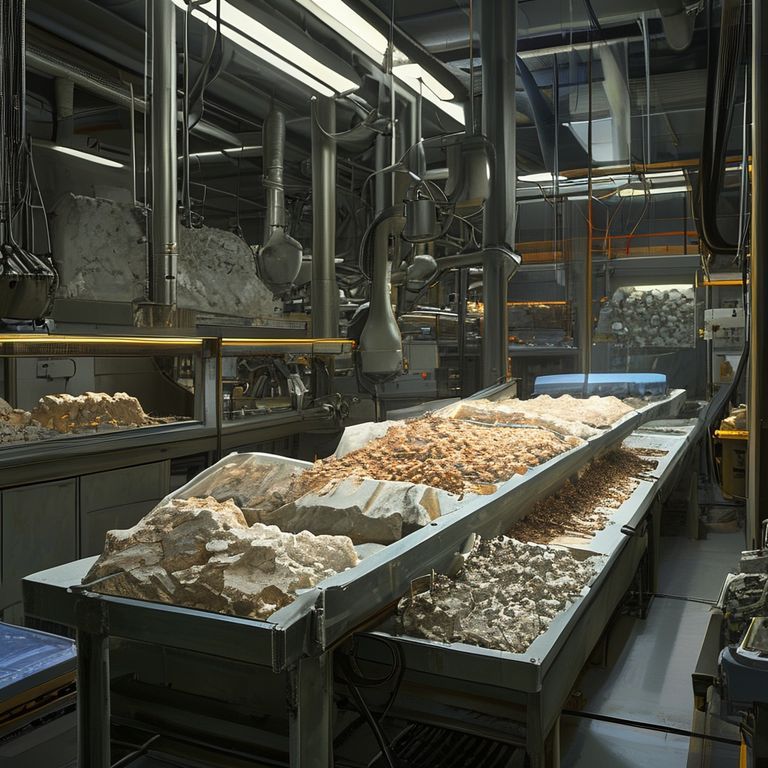
The California Department of Public Health (CDPH) has released alarming data revealing a silicosis epidemic in artificial stone fabrication shops, with 54% of facilities reporting confirmed cases. This occupational hazard, often called the ‘quarryman’s disease,’ is irreversible and fatal, yet workers continue to risk their health daily. The findings underscore a critical failure: artificial stone—common in countertops and architectural designs—contains crystalline silica, a known carcinogen, exceeding safe exposure limits.
Silicosis develops after prolonged inhalation of fine silica dust, causing lung scarring and respiratory failure. Unlike traditional stone, artificial stone’s engineered composition amplifies risk due to its powdered silica content, often exceeding 1%—the threshold deemed unsafe by OSHA. Workers in fabrication shops, already exposed to high dust levels, face exponential danger, with symptoms appearing years after exposure. Comparatively, natural stone poses lower risks, yet the industry’s reliance on artificial alternatives persists, driven by cost and design flexibility.
The implications are staggering: not only are lives at stake, but California’s fabrication industry risks severe regulatory scrutiny and lawsuits. The CDPH’s data could trigger nationwide policy shifts, compelling states to ban high-silica materials or mandate stricter ventilation and protective gear. For now, workers remain vulnerable, and employers face mounting pressure to adopt safer alternatives—like resin-based composites—before more lives are lost.
Dr. Elizabeth Barnett, an occupational health expert at UCLA, warns that ‘this isn’t just a California problem—it’s a systemic failure in material safety standards.’ She emphasizes that without immediate action, the epidemic will worsen, particularly in underserved communities where enforcement is lax. ‘The industry has known the risks for decades,’ she adds, ‘but profit margins have outweighed human lives.’ The CDPH’s report serves as a wake-up call, demanding urgent reform in fabrication practices and material regulations.
As the artificial stone industry grapples with this crisis, the question remains: how long will it take for accountability to outweigh convenience? The CDPH’s findings should catalyze a reckoning—not just in California, but across the U.S.—where workers’ health must take precedence over industry inertia. Until then, the silent epidemic continues, and the cost is measured in lives, not just dollars. The time for change is now, before it’s too late.