
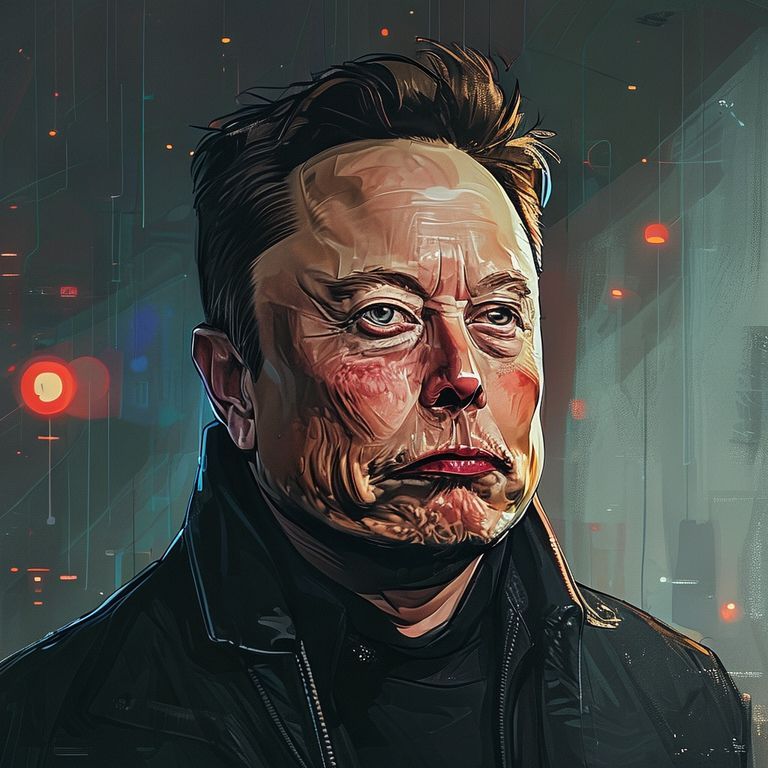
The once-dominant X (formerly Twitter) is facing growing backlash from users, signaling a seismic shift in social media dynamics. Recent discussions reveal widespread dissatisfaction, with critics citing toxic moderation, algorithmic bias, and a lack of meaningful engagement. Platforms like Bluesky and Threads are quietly gaining traction as alternatives, offering decentralized and ad-free experiences that resonate with power users.
Elon Musk’s controversial leadership—marked by mass layoffs, erratic content policies, and high-profile feuds—has further eroded trust. The platform’s role in amplifying misinformation, from Trump’s election rhetoric to Iran’s propaganda, has drawn scrutiny from policymakers and tech ethicists alike. Meanwhile, Starmer’s UK Digital ID initiative highlights a broader trend: governments and tech giants are racing to redefine identity verification, leaving X’s relevance in question.
The fallout extends beyond user sentiment, impacting advertisers and creators who rely on X’s reach. Brands like Tesla and SpaceX, once vocal X advocates, are now diversifying their social media strategies. For independent creators, the platform’s monetization tools—once a goldmine—now feel unreliable, pushing many toward Patreon or Substack. This exodus underscores a critical moment: X’s dominance is no longer assured.
“X’s decline isn’t just about Musk’s whims; it’s a symptom of broader trust issues in tech,” says Dr. Emily Carter, digital culture analyst at MIT. “Users are demanding transparency, and X’s opaque governance model fails to deliver.” Comparisons to Facebook’s early days abound—where trust was sacrificed for growth—but X’s rapid unraveling suggests a more fragile foundation. The platform’s future hinges on whether Musk can pivot from disruption to sustainability.
As X’s user base fractures, the lesson is clear: no platform is immune to public sentiment. The rise of decentralized networks and stricter regulatory scrutiny may force X to evolve—or risk becoming a relic. For now, the writing is on the wall: the masses have spoken, and they’re walking away. The question is whether X can adapt before it’s too late.