
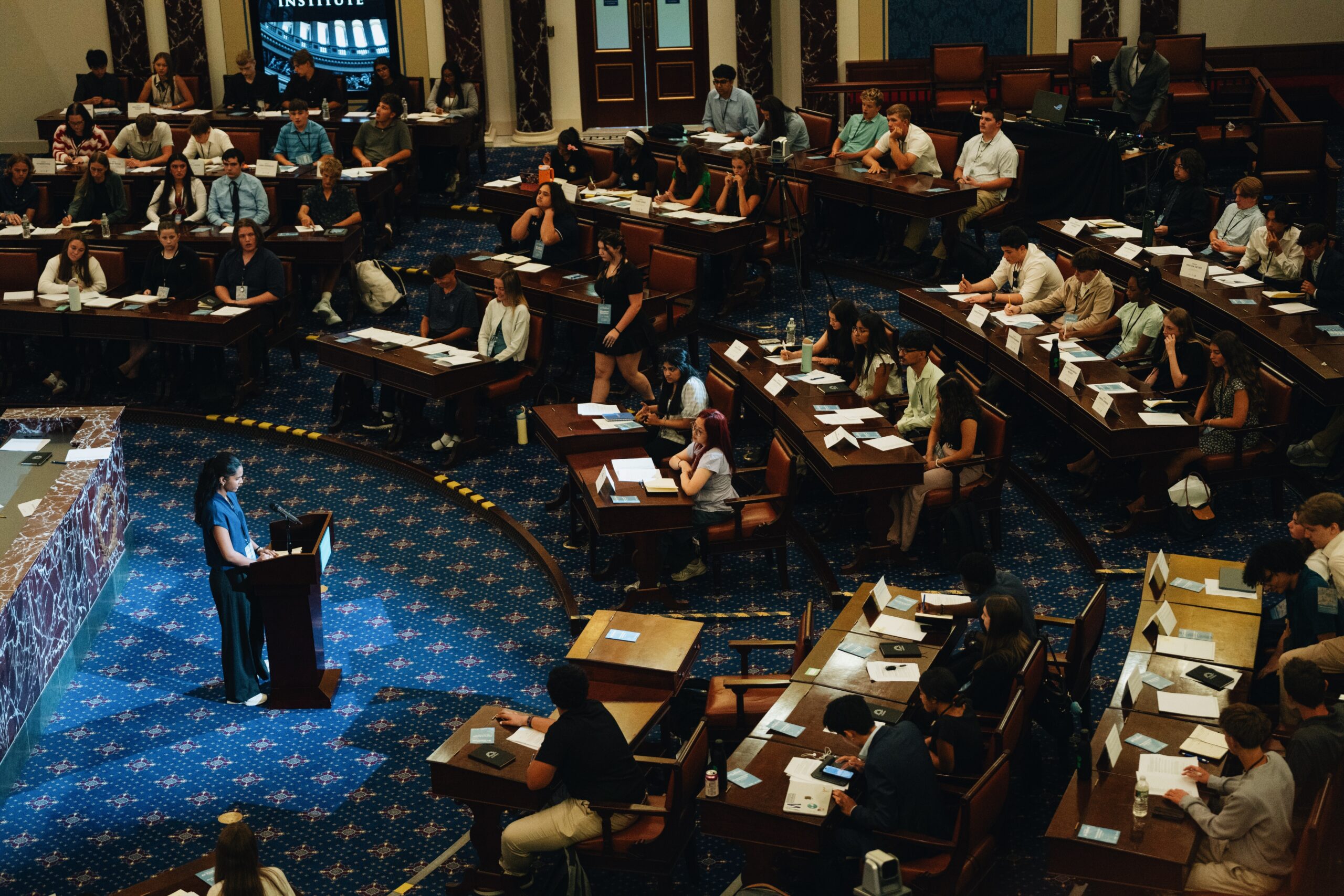
When Washington stalls on AI classroom rules, 98 high‑schoolers took matters into their own hands. Over several weekends they drafted a consensus handbook covering homework assistance, exam policies, and teaching standards. Their effort shows students eager to shape the tech they’ll use in a rapidly evolving digital landscape.
The teens propose clear guidelines: AI may help on projects and research, but must be disclosed. During timed tests, AI should be banned unless the task involves creating the tool itself. They also demand mandatory AI‑literacy courses led by qualified teachers, not vendors, to teach bias, privacy, and ethics, and practical applications for learning.
Their student‑led handbook has caught the attention of educators and lawmakers, who view it as a model for rapid adaptation. By creating a peer‑reviewed framework, the teens fill a legislative gap and show how youth can steer conversations about responsible tech use, inspiring other schools to follow suit.
Source: Read original article