
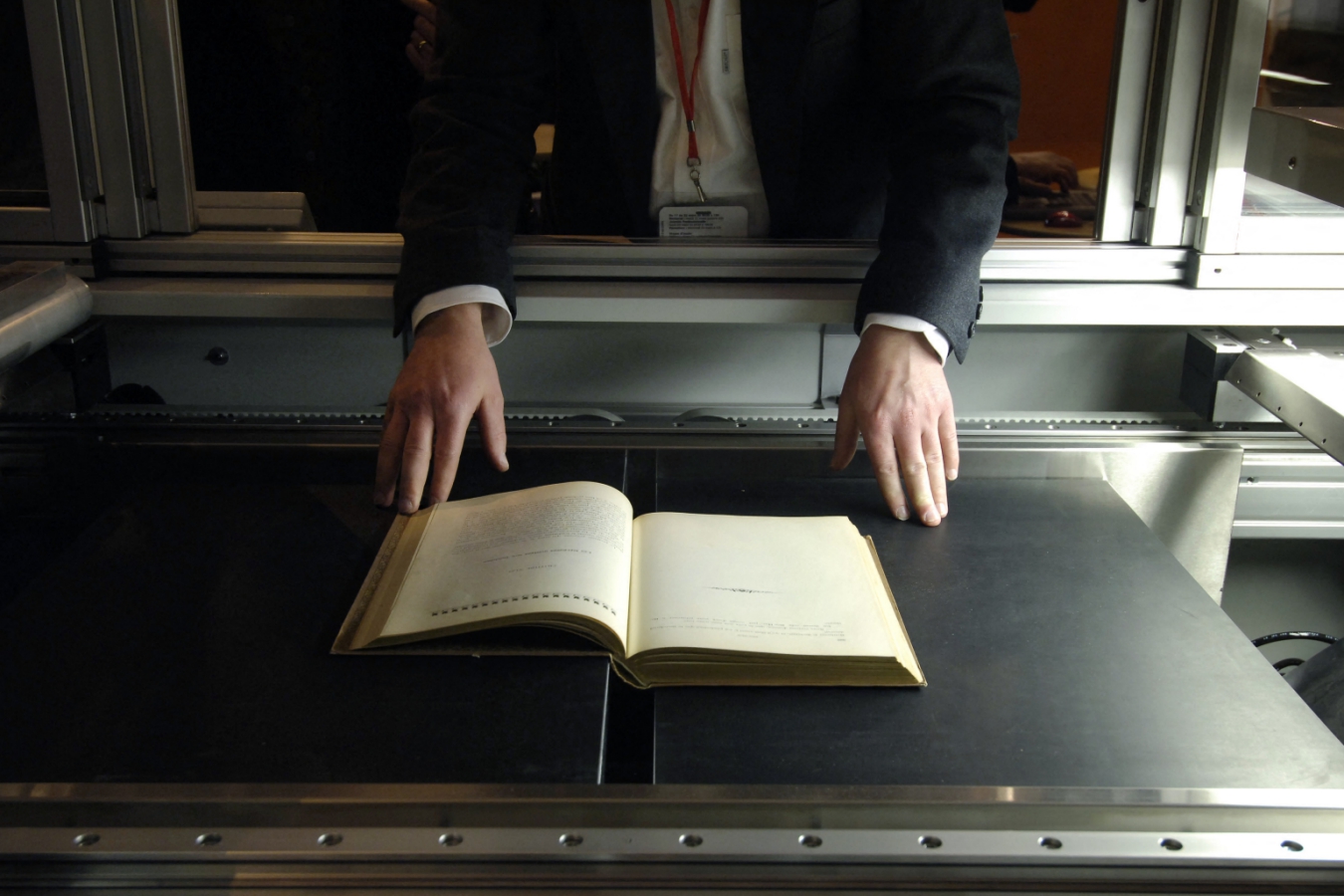
As AI models swallow our literary classics, video‑game epics, and cinema scripts, a quiet transformation is underway. The data‑feeding pipeline treats every cultural artifact as raw material, reshaping it into new, algorithm‑crafted outputs. Critics warn that this process could erase the nuanced context behind human creativity, turning rich narratives into homogenized patterns.
Annalee Newitz, a technology columnist, argues that the rush to train models on our cultural heritage threatens to replace authentic expression with generic auto‑generated content. She emphasizes the need for safeguards that preserve the original voice of authors, designers, and filmmakers, ensuring that future AI‑generated works reference rather than supplant human history.
Preserving human writing means creating curated datasets, implementing clear licensing, and encouraging transparent provenance for training material. By balancing innovation with stewardship, we can let AI augment culture without hollowing out its foundations, keeping the stories that define us alive for generations to come.
Source: Read original article