
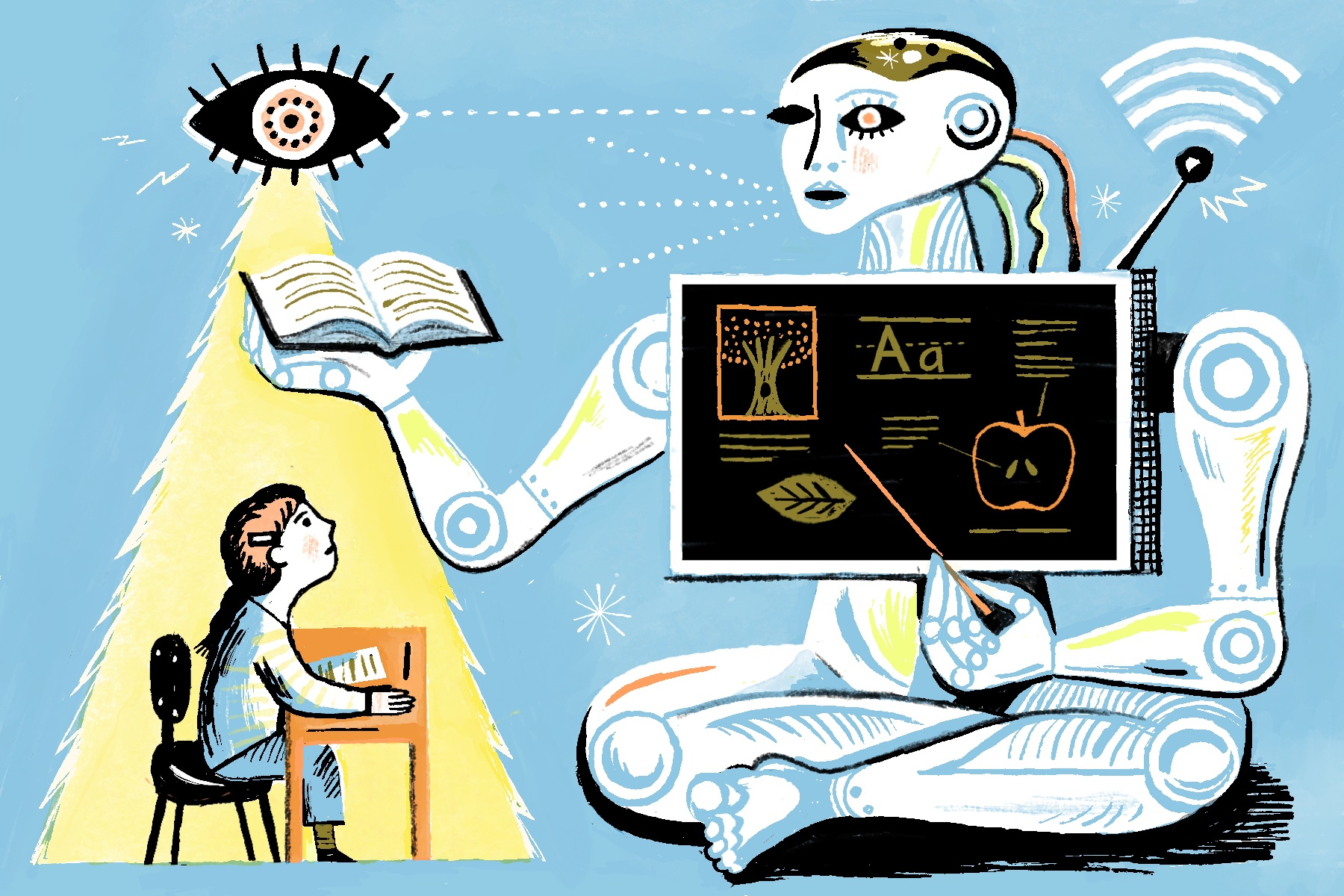
Across the nation, teachers are turning to AI tools to craft lesson plans and personalize instruction. In districts like Los Angeles and Houston, chatbots now review student essays, flagging strengths and suggesting edits in minutes. Yet the research validating these benefits remains scant, with few peer-reviewed studies confirming learning gains.
District leaders often adopt the technology before establishing clear policies, leaving data privacy and algorithmic bias unchecked. Without formal guidelines, schools risk exposing student information to unregulated platforms and perpetuating unintended inequities. Experts call for transparent frameworks that protect learners while allowing educators to experiment responsibly.
To bridge the evidence gap, many schools are partnering universities to conduct longitudinal studies on AI’s impact on test scores and engagement. Early pilots suggest modest improvements in writing fluency, but larger trials are needed before scaling. Meanwhile, educators must stay vigilant, ensuring AI augments—rather than replaces—human judgment in the classroom for future use.
Source: Read original article