
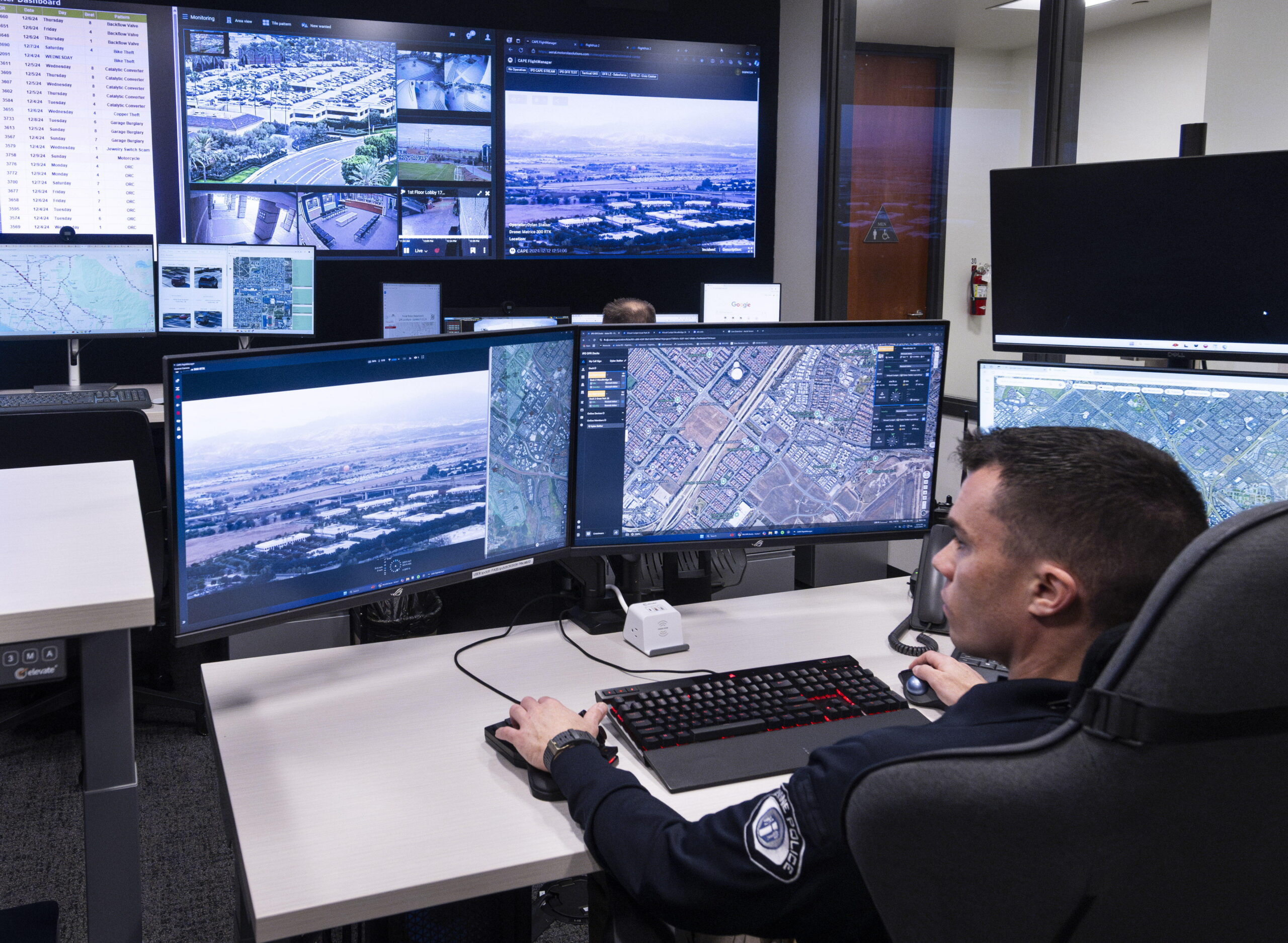
Flock’s crime‑center platform has ignited debate. The software aggregates data from cameras, license‑plate readers, and social‑media feeds into a single dashboard, giving officers a near‑instant view of unfolding incidents. While Flock’s capabilities sound powerful, critics argue its surveillance reach is still limited compared with more invasive technologies.
Experts contend that tools such as facial‑recognition systems, automated license‑plate analytics, and cell‑tower geolocation trackers pose a far greater threat to civil liberties. These technologies operate continuously and can be repurposed for monitoring. The opacity of their algorithms and the ease of data sharing amplify concerns far beyond Flock’s localized alerts.
The debate over Flock highlights a societal dilemma: how to balance response capabilities with the right to privacy. Policymakers are urged to establish clear regulations, audit mechanisms, and transparency requirements for all surveillance platforms. Only through oversight can communities reap the safety benefits of real‑time crime tools while safeguarding fundamental freedoms.
Source: Read original article