
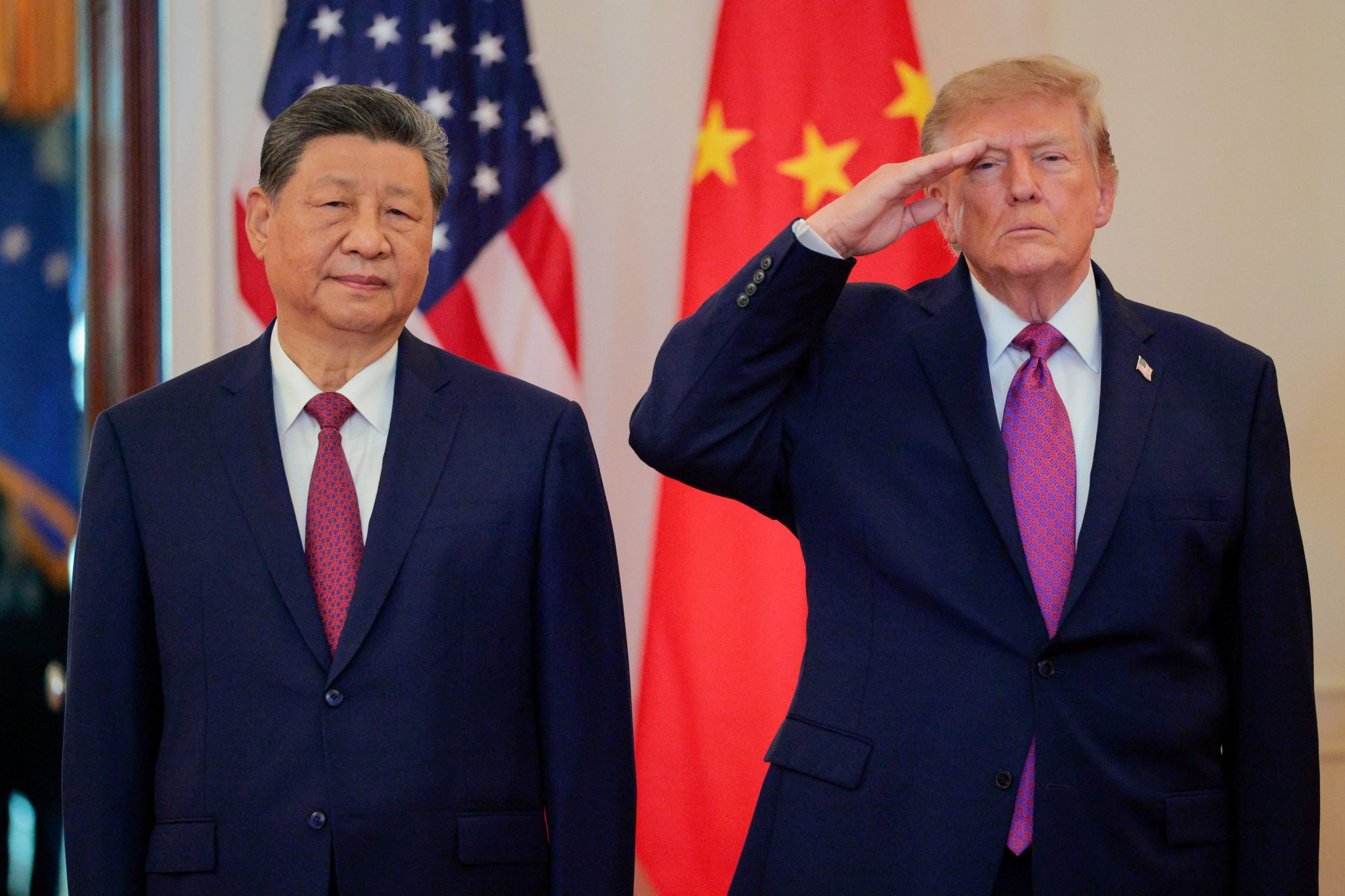
When China acceded to the WTO in 2001, the world witnessed the biggest capital‑spending surge in modern history. Nations poured billions into manufacturing, logistics, and export infrastructure, reshaping global trade. Today, a similar tectonic shift is underway, driven not by geography but by artificial intelligence.
AI is upending every industry the way China’s entry upended manufacturing. Companies are racing to automate, data centers are proliferating, and talent markets are being rewired. The ripple effects echo the labor dislocations, supply‑chain reconfigurations, and policy reckon‑ings that followed the China shock.
Investors now ask whether AI resembles a transformative opportunity or a systemic risk. The answer hinges on regulation, workforce reskilling, and sustainable infrastructure investment. As the world adapts, the AI wave could generate wealth comparable to the China boom‑if policymakers manage the disruption wisely. Otherwise, the same kind of market volatility that followed China’s rise could repeat, unsettling equity markets and inflating bubbles.
Source: Read original article