
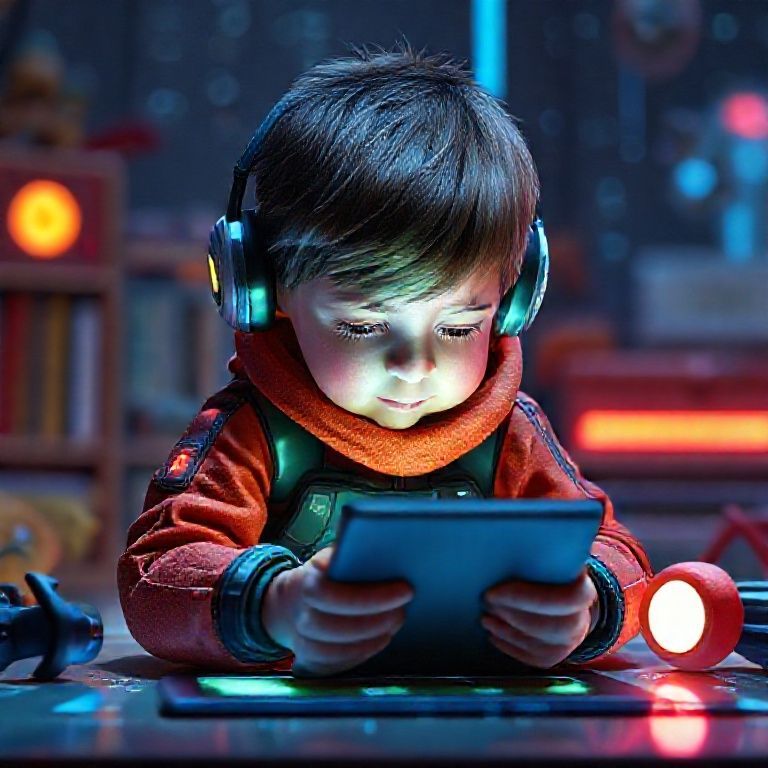
Frank Cottrell-Boyce, the esteemed children’s author, recently voiced a growing concern: children are playing with traditional toys less and less. He’s hearing anecdotal evidence suggesting a shift away from physical playthings toward digital entertainment. This observation sparks a crucial conversation about the evolving nature of childhood and the impact of technology on development.
This trend could be attributed to the increasing accessibility and appeal of smartphones, tablets, and video games. These devices offer instant gratification, endless streams of content, and interactive experiences that traditional toys may struggle to match. The digital world also provides opportunities for connection and social interaction, further drawing children away from solo or small-group play with toys.
The potential consequences of this shift are multifaceted. While digital engagement can offer educational benefits and foster creativity, it may also limit the development of crucial skills like problem-solving, spatial reasoning, and social interaction gained through hands-on play. The lack of physical activity associated with digital devices could also contribute to health concerns.
Experts emphasize the importance of balanced engagement. While technology offers many advantages, limiting screen time and encouraging traditional play is crucial for healthy development. Toys foster imagination, creativity, and social skills in ways that digital devices cannot fully replicate. A combination of both can offer a well-rounded developmental experience.
Ultimately, the future of play may involve a hybrid approach, blending the best of both worlds. Innovative toys incorporating technology and digital platforms that promote physical activity could bridge the gap. The key lies in ensuring that children have opportunities for both digital engagement and the rich, tactile experiences that traditional toys provide.