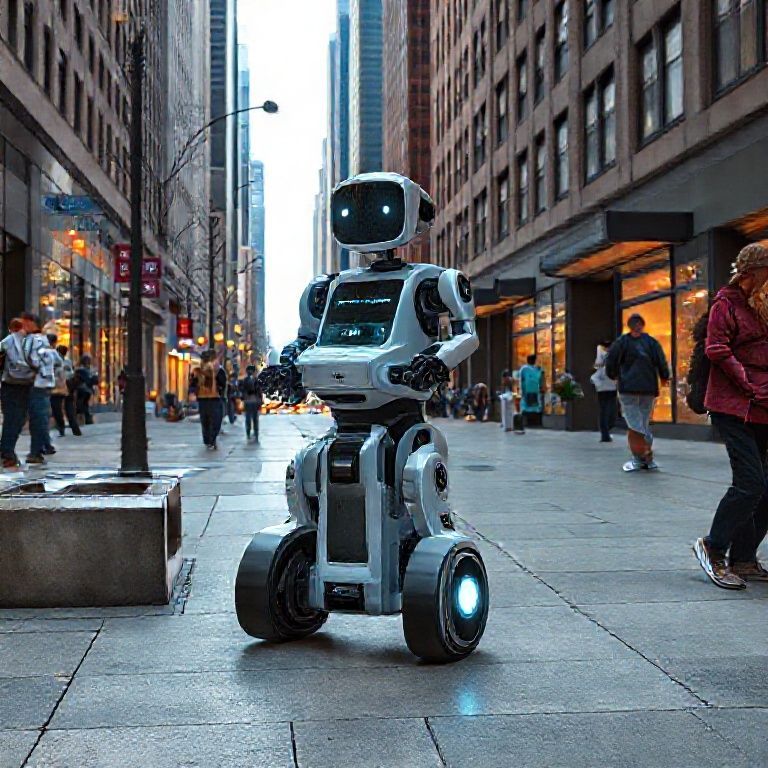

Chicago residents are pushing back against the city’s sidewalk delivery robot pilot program, raising serious concerns about safety and accessibility. A petition with over 800 signatures calls for an immediate pause, highlighting potential dangers to pedestrians, particularly those with disabilities, and questioning the impact on public space. The rapid expansion of these robots in neighborhoods like Lakeview has triggered the outcry.
The petition, hosted at NoSidewalkBots.org, specifically demands that the Chicago Department of Transportation (CDOT) and the Business Affairs and Consumer Protection (BACP) release comprehensive safety data. Residents want transparency regarding the robots’ operational parameters, accident records, and the city’s oversight mechanisms. The lack of clear regulations and public consultation has fueled anxieties about potential misuse.
This resistance reflects a growing trend of urban skepticism towards autonomous technologies. Similar concerns have been voiced in other cities experimenting with delivery robots, highlighting the need for careful consideration of the social and ethical implications. The potential for job displacement, increased surveillance, and unequal access to technology are also key considerations for residents.
Experts emphasize the importance of striking a balance between technological innovation and community well-being. Robust regulations, public engagement, and independent safety assessments are crucial to ensure that these robots enhance, rather than detract from, the urban experience. The Chicago case serves as a cautionary tale for cities eager to embrace autonomous delivery systems.
Ultimately, the future of sidewalk delivery robots in Chicago hangs in the balance. City officials must address residents’ concerns and demonstrate a commitment to prioritizing public safety and accessibility. Failure to do so could lead to further opposition and potentially derail the entire program, setting a precedent for other cities grappling with similar challenges.