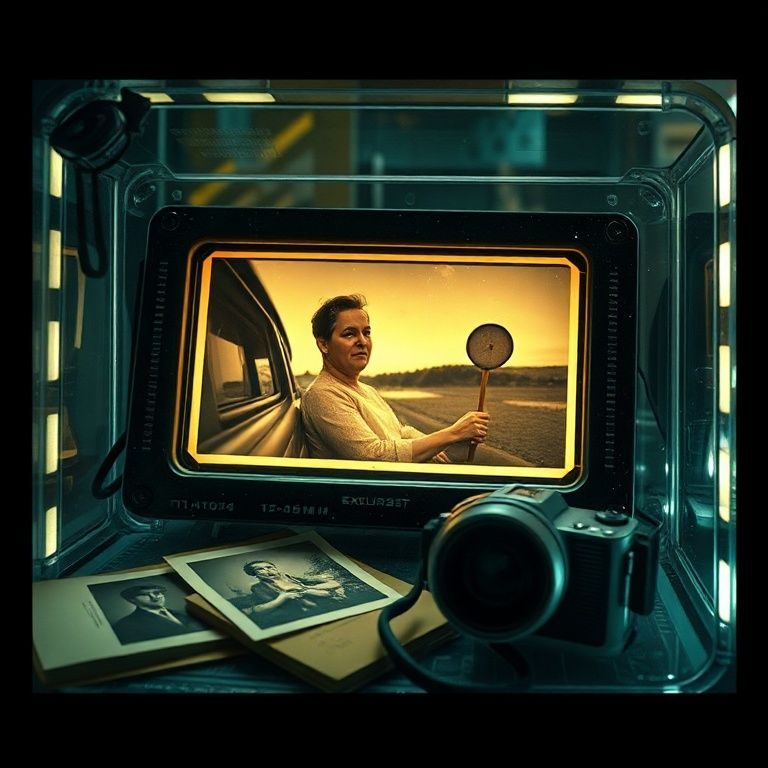

Many of us have troves of old photos, negatives, and films gathering dust, holding precious memories hostage in outdated formats. The question arises: can we tackle the digitization process ourselves? While professional services offer high-quality results, the DIY route can be a cost-effective and personally fulfilling alternative, especially for those with large collections.
The key to successful home digitization lies in the right equipment. For photos, a flatbed scanner with a high DPI is crucial. Negatives and slides require specialized scanners or adapters that provide backlighting. Converting film and VHS tapes involves video capture devices and software. Each format presents unique challenges in terms of resolution, color correction, and handling fragile media.
The impact of digitizing these memories is profound. It not only preserves them from physical degradation but also makes them easily shareable with family and friends. Digital formats allow for editing, enhancement, and integration into modern storytelling platforms. The process can breathe new life into forgotten moments, connecting us with our personal history in a tangible way.
According to experts, the DIY approach requires patience and attention to detail. Proper lighting, clean scanning surfaces, and careful handling of delicate materials are essential. Software tools can help with color correction, dust removal, and other enhancements, but a basic understanding of image editing is beneficial. Backing up digital files is crucial to prevent data loss.
Ultimately, converting old media to digital at home is a rewarding project. It offers control over the process, saves money, and allows for a deeper connection with cherished memories. While professional services offer convenience and expertise, the DIY approach empowers individuals to safeguard their personal history for generations to come.