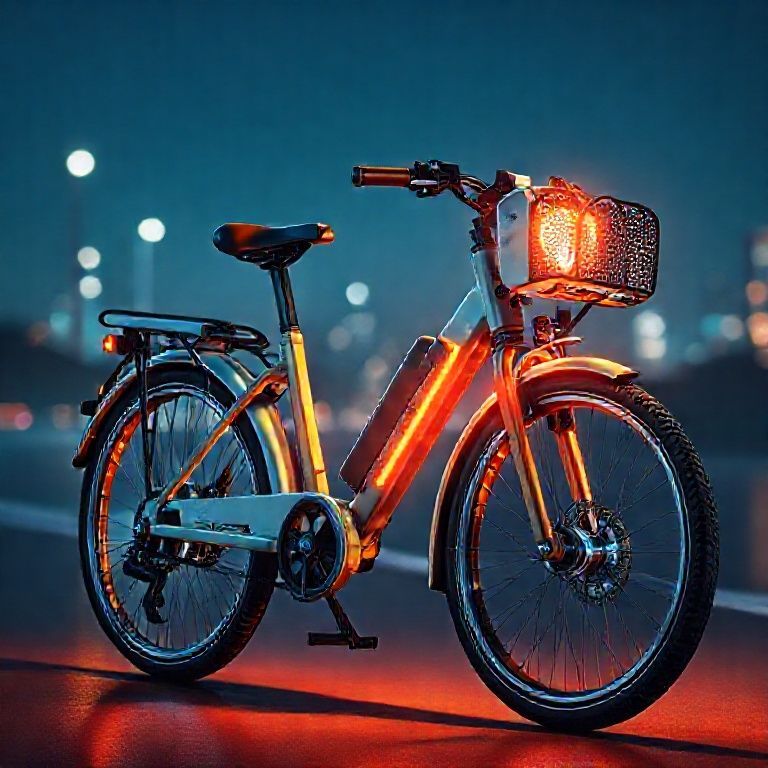

The challenge of sourcing replacement parts isn’t limited to vintage automobiles. As e-bike rental companies upgrade their fleets, a wave of perfectly functional bikes risks ending up in landfills. The problem stems from the rapid pace of technological advancement and the pressure to offer customers the latest features, leading to premature disposal of older models.
One innovative solution involves refurbishing and repurposing these bikes. Companies are partnering with local repair shops or establishing in-house programs to replace worn components, upgrade batteries, and refresh the overall appearance. This extends the lifespan of the e-bikes and reduces electronic waste. Refurbished bikes can then be sold at a discount or donated to community programs.
The impact of this approach is significant. It reduces the environmental footprint of the e-bike industry, provides affordable transportation options, and creates local jobs in repair and refurbishment. Moreover, it fosters a circular economy where products are reused and recycled rather than discarded after a short period.
Experts emphasize the importance of standardization in e-bike components to facilitate repair and replacement. A more modular design would allow for easier upgrades and repairs, further extending the lifespan of e-bikes and reducing waste. Policy incentives could also encourage manufacturers and rental companies to adopt sustainable practices.
Ultimately, saving rental e-bikes from the landfill is a win-win situation. It benefits the environment, the economy, and consumers by promoting sustainable transportation and reducing electronic waste. This approach demonstrates a commitment to responsible product lifecycle management.