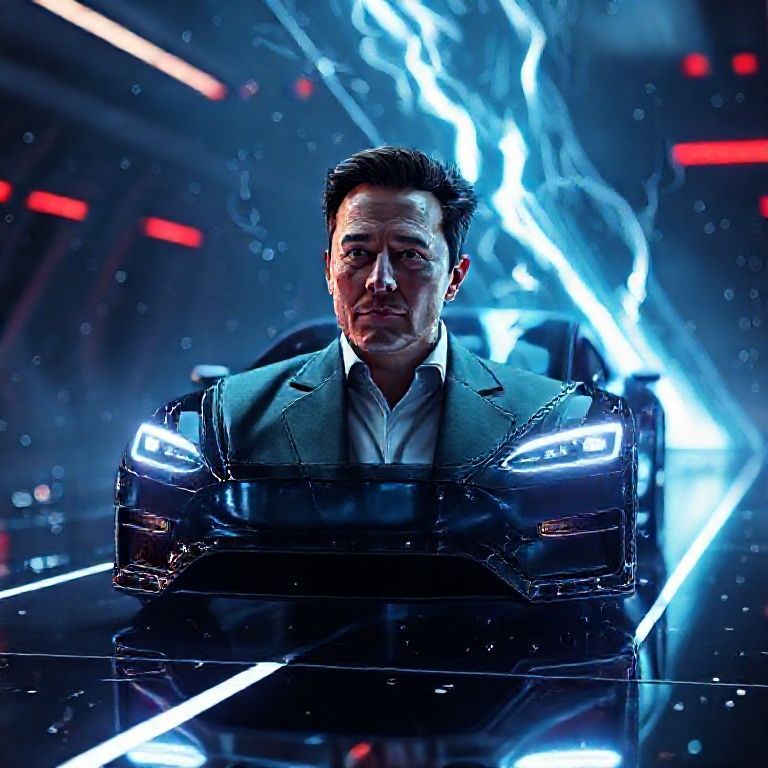

Elon Musk’s audacious $1 trillion compensation package at Tesla has officially begun, a move designed to align his interests with shareholders. The deal hinges on ambitious market capitalization and operational milestones, incentivizing Musk to drive Tesla’s value to unprecedented heights. However, some analysts are skeptical, pointing to potential loopholes that could disproportionately benefit Musk.
The core concern revolves around the relatively low bar set for some operational targets. Critics argue that Musk could focus on hyping the stock through bold pronouncements and strategic media appearances, achieving the market cap goals without necessarily delivering substantial, long-term business improvements. This strategy could allow him to unlock massive payouts while leaving shareholders with a company inflated by hype.
The impact on shareholders could be significant. While a rising stock price is generally positive, a disconnect between valuation and underlying business performance creates inherent risk. If Tesla fails to meet long-term expectations after Musk collects his reward, the stock could face a steep correction, leaving investors holding the bag. The potential for short-term gains overshadowing sustainable growth is a key worry.
Experts suggest that the compensation structure, while innovative, lacks sufficient safeguards against value extraction. A more balanced approach would incorporate metrics tied to sustained profitability, technological leadership, and customer satisfaction. Relying solely on market capitalization creates an incentive for short-sighted decisions aimed at maximizing immediate stock appreciation, potentially at the expense of long-term health.
Ultimately, Musk’s trillion-dollar gamble presents a complex equation. While his ambition could propel Tesla to new heights, the loopholes in the compensation package raise concerns about whether the rewards will be shared equitably with shareholders. Only time will tell if this bold experiment will be a triumph of innovation or a cautionary tale of misaligned incentives, and whether the hype can be sustained.