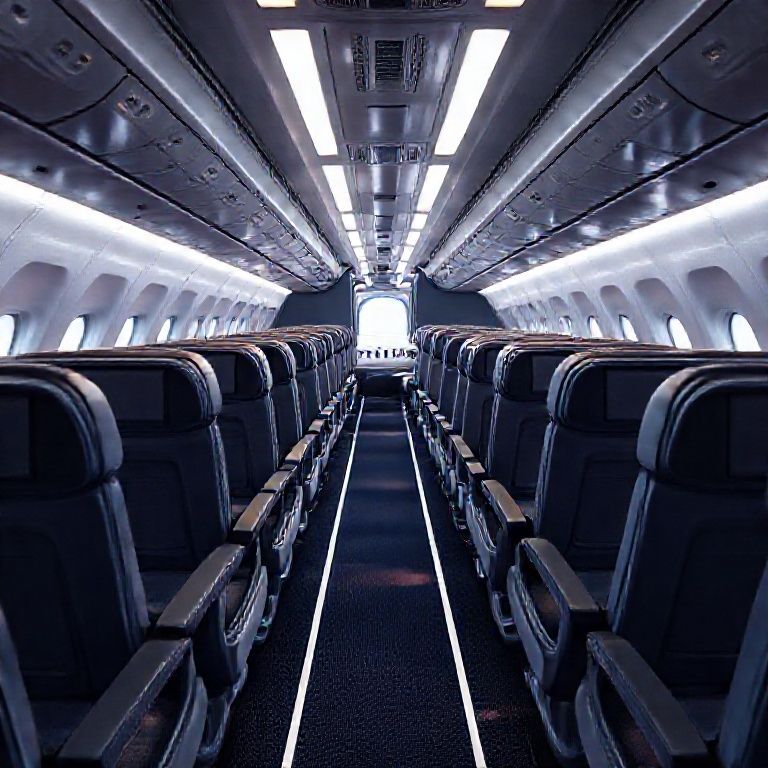

The Boeing 737 MAX has a unique ability to carry a surprisingly large number of passengers compared to other aircraft of similar size. This isn’t magic; it’s a clever combination of design choices and operational strategies that maximize seating capacity. The key lies in optimizing cabin space and reducing inefficiencies.
One major factor is the high-density seating configuration. Airlines configure these aircraft with minimal legroom and narrower seats, allowing for more rows. Additionally, galleys and lavatories are often reduced in size or number to free up space for additional seats. Even small adjustments to aisle width can contribute to increased capacity.
This approach allows airlines to offer lower fares by spreading the cost of operation across a larger passenger base. However, it also raises questions about passenger comfort and safety during emergencies. The trade-off between capacity and comfort is a constant balancing act for airlines operating these high-density configurations. There are also concerns about the speed of evacuation.
Experts note that the 737 MAX’s design pushes the limits of what’s considered acceptable in terms of passenger space. While regulations ensure a minimum level of safety, the experience can be less than ideal for travelers accustomed to more spacious cabins. This strategy is a calculated business decision that prioritizes profitability.
Ultimately, the Boeing 737 MAX’s ability to pack in more passengers is a testament to innovative engineering and strategic business planning. While it may not be the most comfortable flying experience, it enables airlines to offer affordable travel options to a wider range of customers. The trade-off between comfort and cost is a key consideration for both airlines and passengers.